
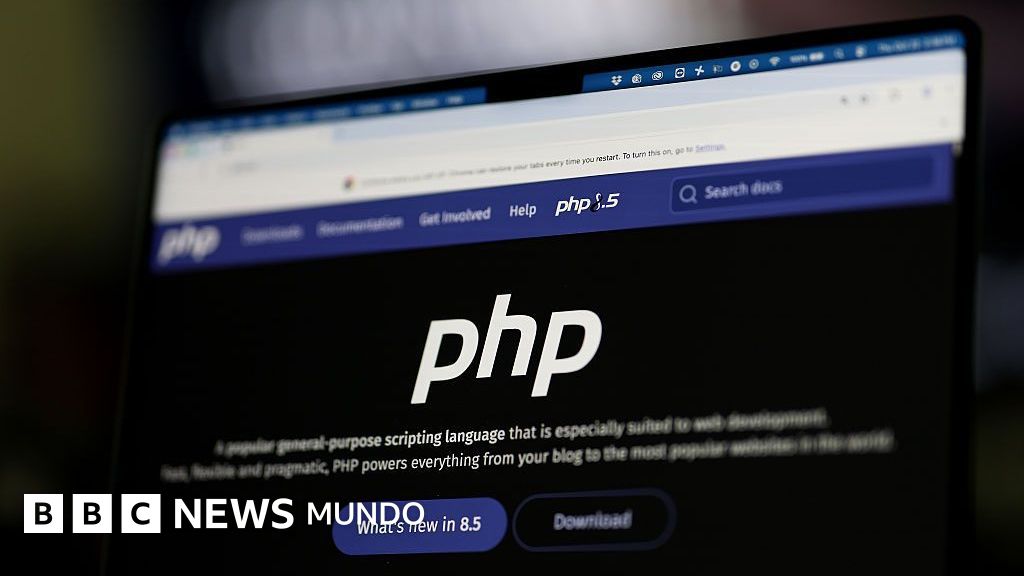
Las vulnerabilidades PHP ocultas durante más de una década y detectadas mediante inteligencia artificial desataron una alerta internacional de ciberseguridad. El hallazgo,的介绍Iris por la empresa Wiz junto a otros investigadores,/from prompting governments and agencies worldwide to urge web operators to install an emergency solution or consider disconnecting their platforms. According to the report published by BBC Mundo, the alert began on Wednesday and affected services considered essential for the operation of the internet.
PHP, acronym for Hypertext Preprocessor, is a programming language used internationally since the early 2000s to create websites. Its importance extends far beyond the users who know it: it underpins a considerable number of online stores, Wikipedia and the WordPress content management system behind many websites and blogs. When a person visits one of these pages, PHP retrieves and organizes the information that is displayed in the browser. Because this technology operates on the server side and is integrated into a wide range of platforms, a serious flaw in the language can expose multiple online services at the same time.
Vulnerabilidades PHP y una detección asistida por inteligencia artificial
OpenAI, whose technology was used in the discovery, described the finding as “one of the most important security issues in recent times”. For its part, Wiz called the weaknesses “the most serious” ever detected by artificial intelligence. These assessments explain the unusual scale of the response: the vulnerabilities had not emerged as a single, visible incident, but were revealed through an AI-assisted process capable of identifying long-standing programming errors that had escaped conventional detection for years.
The main danger described in the report lies in the possibility that attackers could take control of affected web servers without needing authentication and then steal confidential information. Paul Spain, executive director of Gorilla Cyber Security, warned that the flaw could affect “millions upon millions” of websites. The scale of that estimate remains tied to the number of vulnerable installations, but it illustrates the potential reach of a defect embedded in technology used by multiple sectors and services. Spain also noted that artificial intelligence could make such attacks easier and faster.
La alerta interrumpe servicios en varios países
The consequences were immediately visible in different parts of the world. Wikimedia, the organization behind Wikipedia, deactivated several systems as a preventive measure. The Finnish government, Edinburgh City Council and the BBC also removed websites or pages from the internet, while the Netherlands’ cybersecurity agency took its own page offline. The disruptions extended to online games, government portals and discussion forums, demonstrating that the response affected both public institutions and services routinely used by the public.
The impact of the vulnerabilidades PHP is magnified by the low visibility of the technology. Most internet users never install or administer this programming language; nevertheless, they may interact with systems built on it every day, either directly or through public services, commerce and content platforms. For the institutions involved, the emergency response therefore implies identifying affected servers, deploying the corrective solution and, where necessary, temporarily removing online platforms to prevent possible exploitation and data theft.
The episode also highlights a dual role for artificial intelligence in cybersecurity. In this case, it contributed to uncover flaws that had persisted for more than ten years and accelerated the international response. At the same time, specialists warned that the same technologies could give cybercriminals new ways to identify, automate and exploit vulnerable systems. The definitive scale of the damage will depend on the speed of the corrective measures and the verification of which installations remain exposed, but the global alert has already demonstrated the need to treat invisible digital infrastructure as a priority for institutional continuity.